
17.06.2026
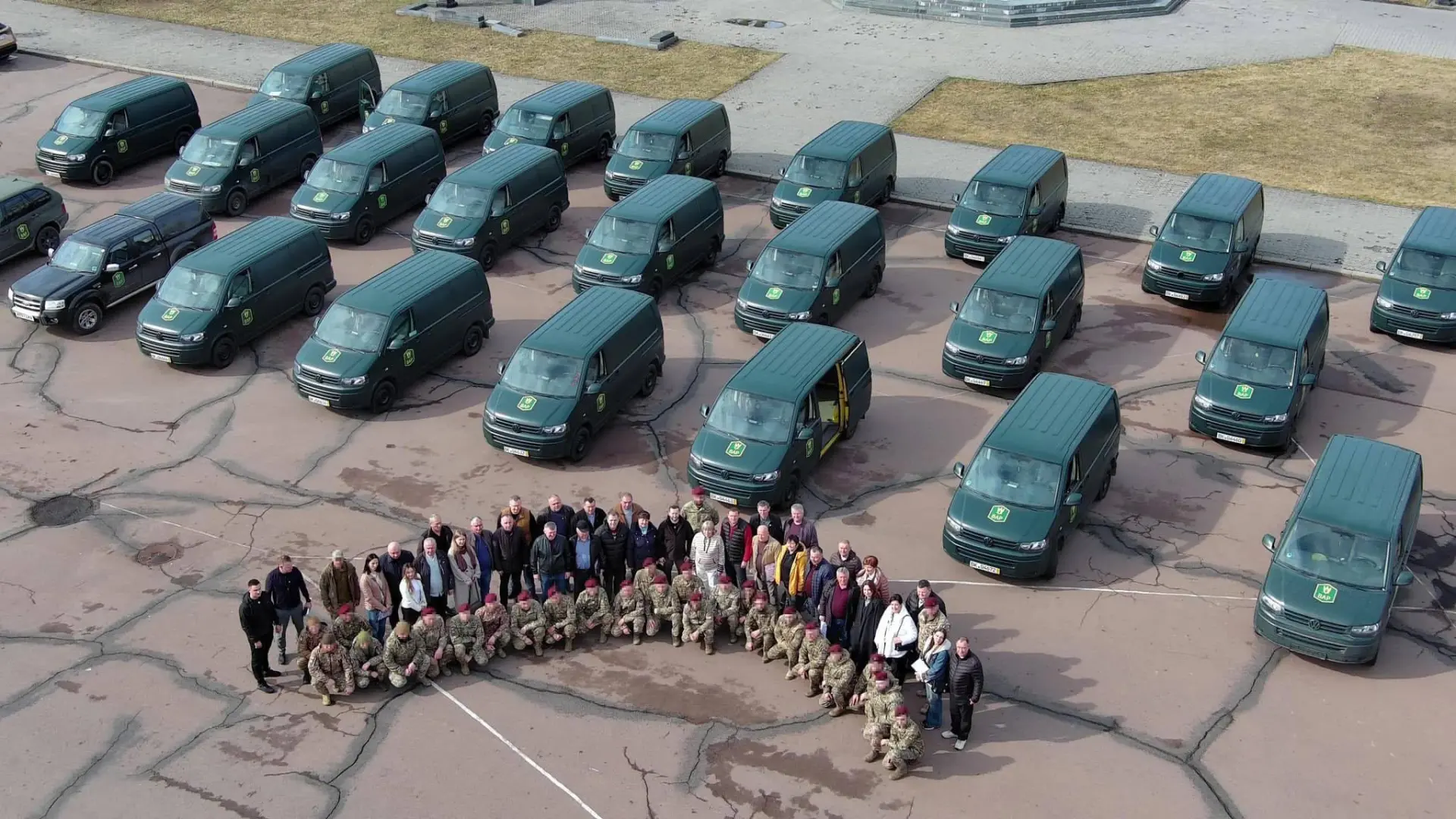
Over the course of the full-scale war, farmers — members of the Ukrainian Agri Council — have handed over 3,000 units of transport and special equipment worth more than UAH 1 billion to Ukraine's Defense Forces. But this figure speaks not only of aid to the army, but also of how the role of agricultural business in Ukraine has changed
3,000 units of transport and special equipment worth more than UAH 1 billion. This is exactly the contribution made for the Ukrainian military by farmers — members of the UAC — over the course of the full-scale war. Behind this figure stand 1,400 agricultural producers from across the country — farms, family farms, and agricultural enterprises that together cultivate more than 3.5 million hectares of land. While some of their workers defended Ukraine weapons in hand, others continued to work in the fields, support communities, and help the army.
The largest share of the transferred equipment consists of pickups, buses, and minibuses — transport without which it is impossible today to imagine the work of most combat units. At the same time, the needs of the front are much broader. That is why farmers handed over not only vehicles for transporting personnel, but also trucks, fuel tankers, trailers, gun carriages, ambulances, and other specialized equipment.
Before 2022, agricultural business was associated primarily with food production, the development of rural areas, and supporting the economy. The war forced Ukrainian farmers to take on significantly more responsibility.
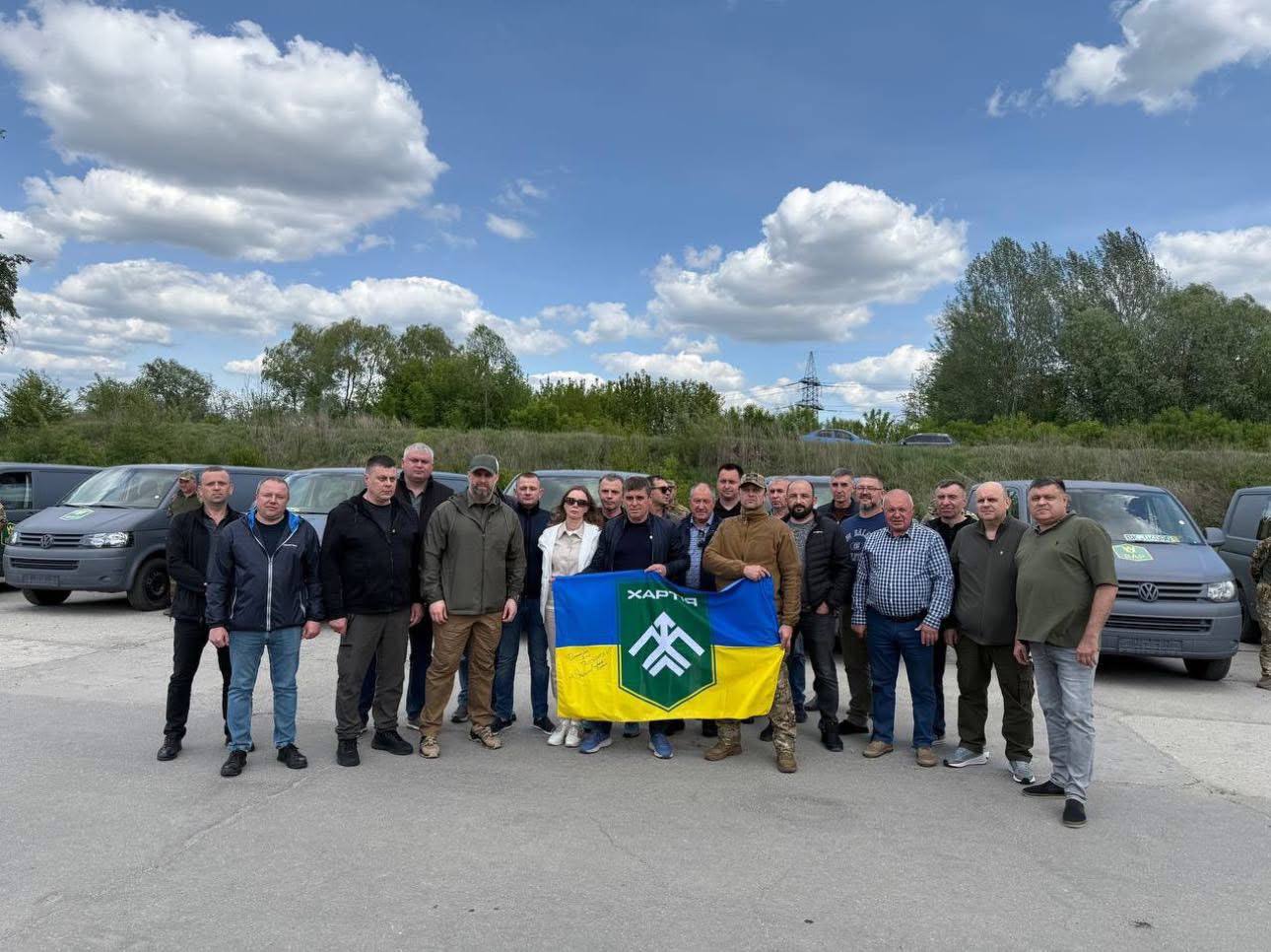
In the first months of the full-scale invasion, the agricultural sector became one of the foundations of Ukraine's economic resilience. Despite the occupation of part of the territories, mined fields, the destruction of logistics, and constant shelling, agricultural producers continued to work, providing the country with food, supporting exports, and preserving jobs in communities. In fact, farmers simultaneously performed two functions critically important for the country: they helped sustain the economy and supported the army.
Behind every transferred unit of equipment stands a separate decision to help. These are resources that could have been directed toward developing farms, modernizing production, or upgrading their own machinery. Instead, they were invested in what is impossible to imagine modern warfare without — the mobility of the Ukrainian army.
Transport remains one of the most sought-after needs of the Ukrainian army throughout all the years of the full-scale war. Vehicles operate in extremely difficult conditions, are damaged by shelling or lost while carrying out combat missions, so the need for them remains constant.
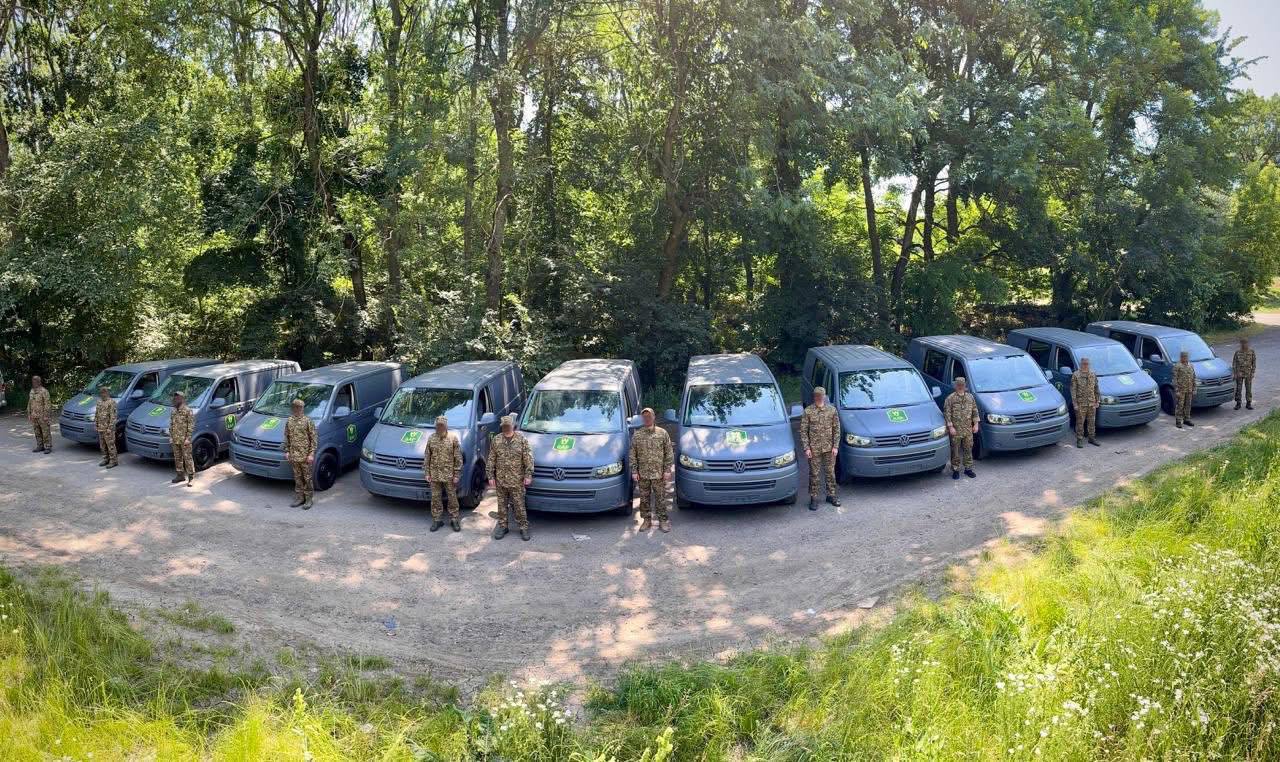
"At the front, a vehicle is not just transport. It is the ability to quickly deliver ammunition, evacuate the wounded, bring people to positions, or carry out a combat mission. The vehicles work every day in very difficult conditions and constantly need replacement. We especially value the support of farmers, since they not only ensure the country's food security but also help the military carry out their work more effectively and save the lives of their brothers-in-arms," the Defense Forces of Ukraine note.
For the agricultural community, this aid has never been abstract. The direct losses of Ukraine's agricultural sector as a result of the full-scale war have exceeded $11 billion, while total losses are estimated at more than $90 billion.
Thousands of agricultural producers lost access to their land due to occupation. Some farms found themselves in the zone of active hostilities. Hundreds of thousands of hectares were mined. Warehouses, farms, grain elevators, irrigation systems, and other production infrastructure were destroyed. Many enterprises lost equipment, harvests, and the ability to operate as usual. Dozens of UAC members survived occupation, the destruction of their farms, or the loss of part of their production capacity.
Yet, along with the challenges, support for the army also grew stronger.
While some farms were recovering from occupation or counting the damage inflicted, farmers who are members of the UAC were simultaneously raising funds for the military, repairing vehicles for the front, purchasing new pickups, and seeking opportunities to help units on the most difficult fronts.
Thousands of workers of agricultural enterprises joined the ranks of the Armed Forces of Ukraine and other components of the Defense Forces. Among Ukrainian servicemembers today are agronomists, machine operators, engineers, drivers, farm managers, and farmers who, just a few years ago, worked the land and now defend the country weapons in hand.
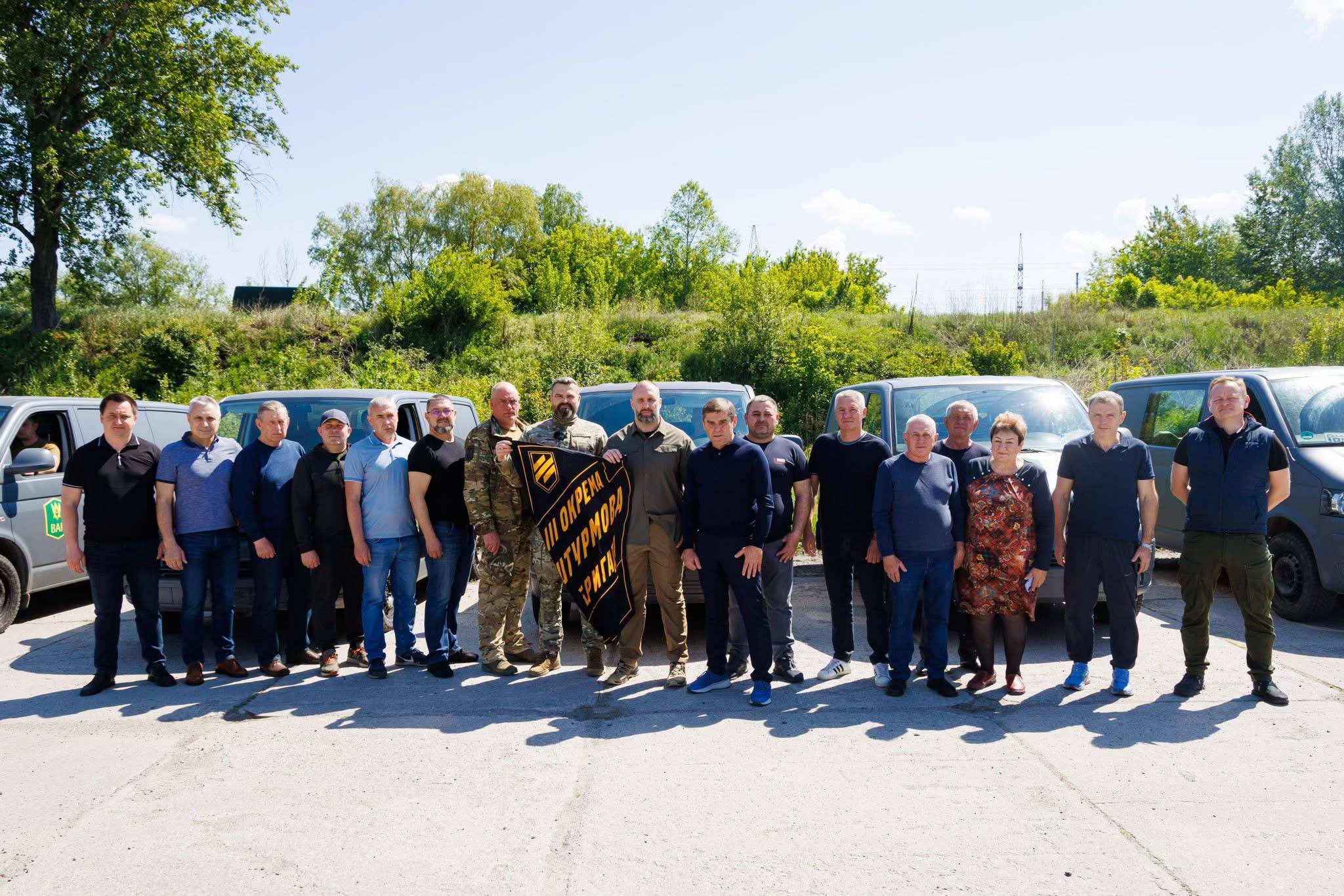
To coordinate aid, in the very first months of the full-scale invasion farmers created the charitable foundation "Save Ukraine!" (SaveUA). The foundation united the efforts of the agricultural community to support people affected by the war, implement humanitarian projects, and help the Ukrainian military.
"In cooperation with the 'Save Ukraine!' foundation, a systematic transfer of vehicles for units of Ukraine's Defense Forces was organized. What began as a response to the extraordinary circumstances of the first months of the war later turned into one of the largest systematic programs of support for the military with transport on the part of Ukrainian business," said the head of the UAC, Andriy Dykun.
Since 2022, the most equipment was received by units of the Air Assault Forces, the Naval Forces of Ukraine, the National Guard of Ukraine, as well as the military of the 9th and 10th army corps.
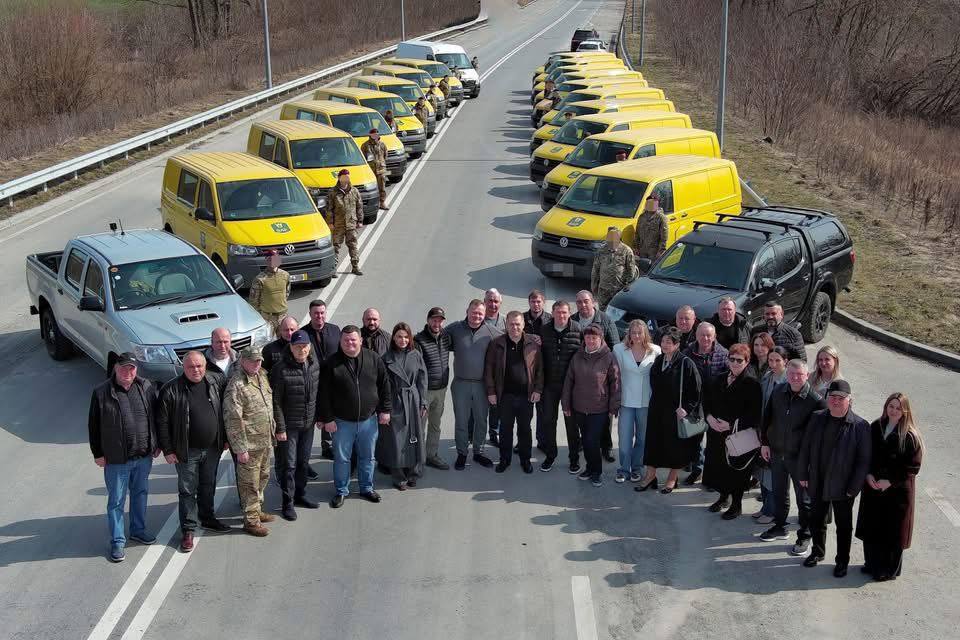
Ukrainian farmers grow their harvest on land that Ukrainian servicemembers are defending today. For many farms, supporting the army has become as ordinary a part of work as the sowing or harvesting campaign, and the needs of the front were discussed on a par with production issues. Over the years of the war, the Ukrainian farmer has become not only a producer of food, but also a part of Ukraine's national resilience — economic, social, and defensive.
3,000 vehicles for the front from the UAC are not just vehicles. They are thousands of completed combat missions, evacuations, delivered cargoes, and saved lives of Ukrainian servicemembers. They are a shared understanding that Ukraine's victory depends on everyone: those who defend the country at the front, and those who support them every day in the rear.

для аграрного бізнесу